
Industrial steel building applications

Wick Buildings Sourcing by Application

Building use determines which supplier evidence, envelope details and logistics assumptions matter.

Four buying contexts

Distribution centers site

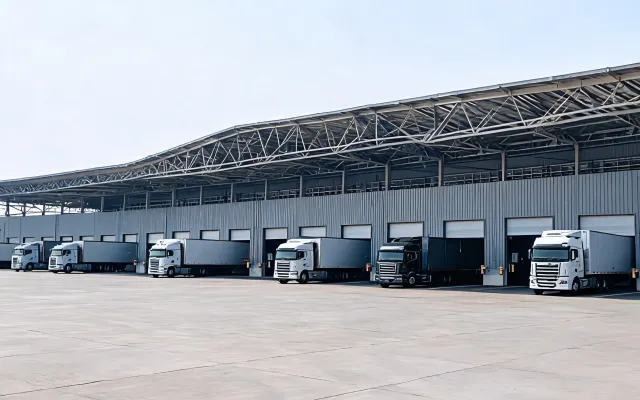
Distribution centers

Compare bay spacing, dock equipment, traffic paths and future expansion joints. Ask suppliers to identify roof loading, insulation and door scope. The logistics operator and local engineer should confirm usable clearances and authority requirements.
Production workshops site

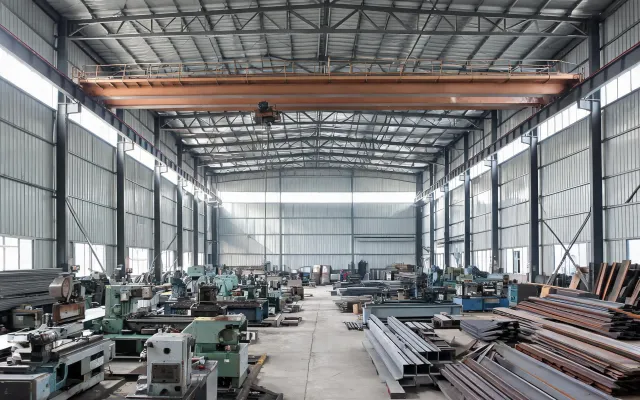
Production workshops

Crane wheel loads, process ventilation, power entries and lifting routes change the structural and envelope brief. We request aligned supplier proposals and flag where crane design, foundations or service integration need a separate specialist review.

Aircraft hangars site

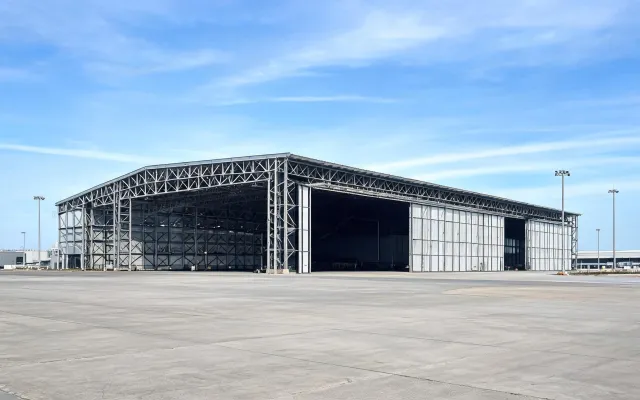
Aircraft hangars

Door width, tail height, unobstructed span, fire strategy and apron interface often dominate the specification. Candidate suppliers need to state exactly what is included and what local aviation and building approvals remain outside their scope.

Agricultural and equipment storage

Moisture, fertilizer exposure, ventilation and large access openings drive coating and cladding choices. We compare protective systems against the stated exposure category and request details for fasteners, gutters and base connections. The final system remains subject to site-specific structural and code review.

Specifications before numbers

I

Destination country

II

Design loads

III

Envelope build-up

IV

Shipment scope

These four fields anchor our initial comparison. A steel grade without a load basis, a panel thickness without its core and thermal data, or a container count without pack dimensions can mislead a buyer. We therefore seek written assumptions and documents for each proposal rather than presenting universal performance claims.

Before sourcing begins, we record the project country, applicable design criteria, building dimensions, operational loads, enclosure expectations and the intended shipment route. We then ask candidate suppliers to state their own assumptions in writing. The chosen supplier must provide relevant calculations and test evidence, while the project engineer and local authority assess whether the proposed system can be approved. This sequence prevents a generic catalog model from being treated as a permit-ready design.

Match the building to its use

Describe your site, operations and preferred procurement timeline so supplier proposals address the right risk set.

By submitting, you agree to our Privacy Policy.