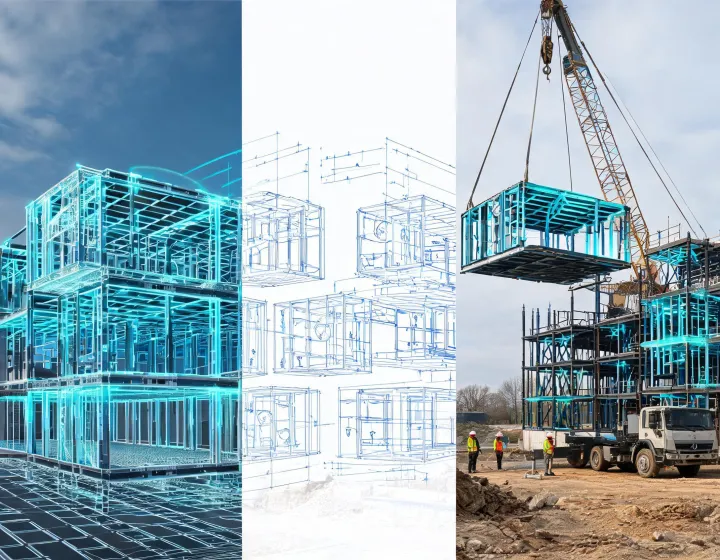
Digital procurement interface
Wick Buildings Modular Technology
Use DfMA data and controlled documents to compare how supplier proposals move from model to fabricated kit and site sequence.
Digital procurement interface
Use DfMA data and controlled documents to compare how supplier proposals move from model to fabricated kit and site sequence.
Digital views make omissions easier to see when every participant shares the same project basis.
We ask shortlisted suppliers how their model, drawings and bill of materials connect. A useful proposal identifies grids, frame sizes, connection types, panel modules, service penetrations and transport breakdown. The buyer can then compare drawing revisions and identify clashes before purchase. The selected supplier and project designers remain responsible for engineering and approval.
DfMA works best when fabrication tolerances, bolt access, lifting points and installation sequence are reviewed together. An impressive rendering alone cannot establish load performance, fire compliance or delivery readiness. We coordinate evidence requests so those claims can be assessed by the responsible professionals.
Bolted field connections can simplify erection and inspection access, while welded assemblies may shift more quality control into the fabrication shop; neither option is suitable without a project-specific design basis. Mineral-wool, PIR and EPS insulated panels differ in thermal and fire behavior, so a quoted core label or panel rating alone does not establish performance of the complete wall, joints, doors and penetrations. We request system-level evidence where the project requires it.
Corrosion protection also depends on the exposure category. Galvanized coating mass, paint system, cut-edge treatment and maintenance access should be stated for the actual coastal, industrial or inland site. Any comparison needs the same design loads, steel grade, span, cladding build-up and shipment boundary.
These questions become procurement checkpoints. We can coordinate the request and organize the returned files, while supplier engineers and independent specialists must verify the technical answers.
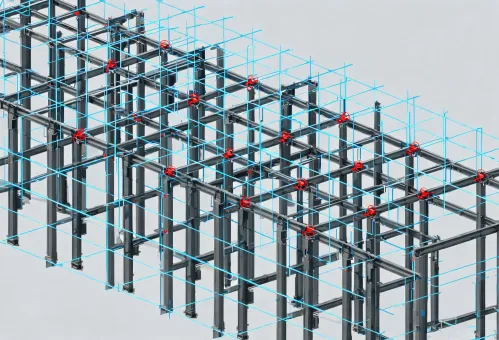
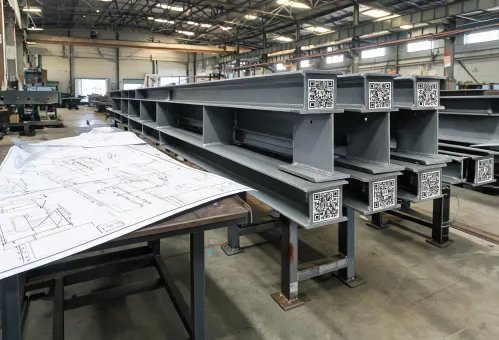
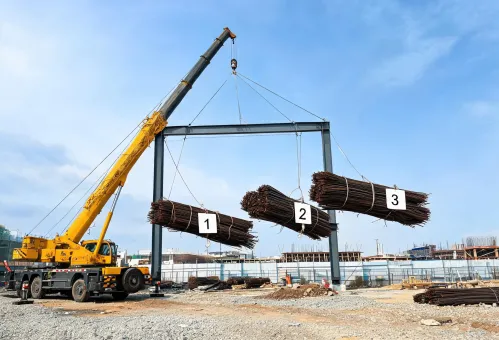
We can compare whether each supplier shows the same frame lines, steel grades, cladding specification and transport limits. Missing details are raised before a purchase order is agreed. The goal is a traceable decision, not a claim that any technology alone guarantees a successful building.
Send drawings, site loads and preferred delivery plan to turn a conceptual system into a comparable supplier brief.